Frequently Asked Questions
Should I install a metal roof?
Installing a metal roof is an excellent investment because it offers superior durability, aesthetic versatility, and a lifetime warranty. These systems provide long-term protection and value, making them a smart, reliable choice for your home’s exterior.
What is metal roofing used for?
Metal roofing is used to provide durable, long-lasting protection for residential and commercial buildings. It serves as a high-performance, aesthetically pleasing roofing solution that offers superior weather resistance and a lifetime warranty for homeowners seeking reliable property upgrades.
What costs more, asphalt shingles or metal roofing?
The initial cost of metal roofing is higher than asphalt shingles; however, metal provides superior durability and a lifetime warranty, making it a more cost-effective, long-term investment that eliminates the need for frequent, expensive roof replacements.
Are metal roofs suitable for New England homes?
Metal roofs are highly suitable for New England homes because they are engineered to withstand harsh winters, shed heavy snow efficiently, and provide superior durability against extreme weather, all while offering a lifetime warranty and aesthetic appeal.
How long does an Interlock metal roof typically last?
The lifespan of an Interlock metal roof is designed to be permanent, as these systems are engineered to last a lifetime. They provide unmatched durability and protection, backed by a comprehensive lifetime warranty for your home.
What are the main benefits of installing metal roofing?
The main benefits of installing metal roofing include exceptional durability, aesthetic versatility, and long-term value. Our Interlock systems provide superior protection against the elements, backed by a lifetime warranty to ensure your home remains safe and beautiful.
Can metal roofing improve my homes energy efficiency?
Metal roofing significantly improves your home’s energy efficiency by reflecting solar radiant heat. This reduces cooling costs in the summer, helping you maintain a comfortable indoor temperature while lowering your monthly energy bills throughout the year.
Does Interlock offer free consultations for metal roof installs?
Interlock Metal Roofing offers free, no-obligation consultations for all metal roof installations. Our team is happy to assess your property, discuss your specific roofing needs, and provide a professional estimate to help you get started.
Is metal roofing resistant to harsh New England winters?
Metal roofing is highly resistant to harsh New England winters; our Interlock systems are engineered to withstand heavy snow loads, shed ice efficiently, and resist extreme temperature fluctuations, ensuring your home remains protected throughout the toughest seasonal conditions.
What styles of metal roofs are available for installation?
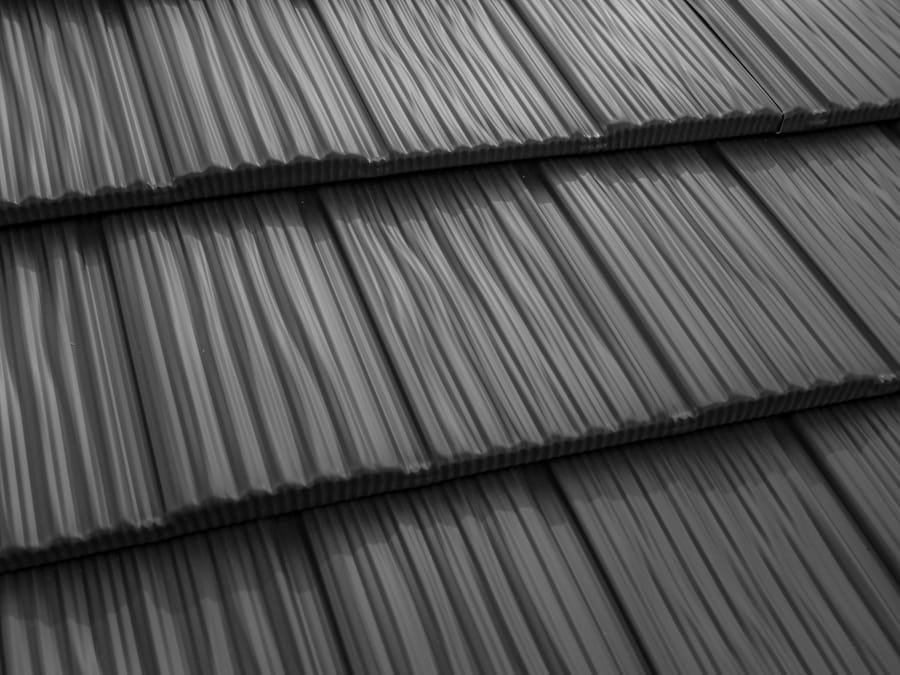
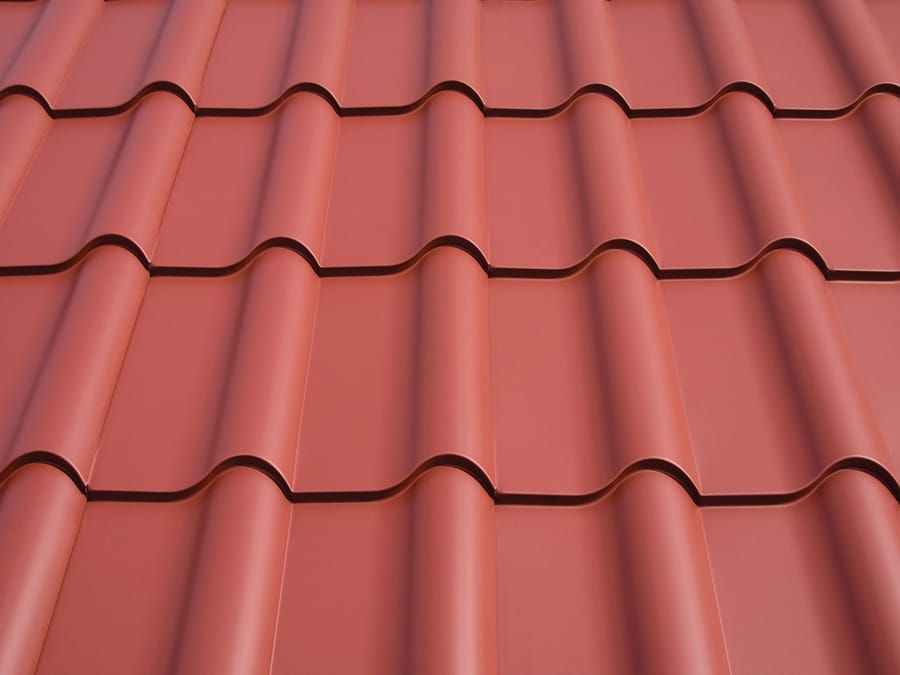
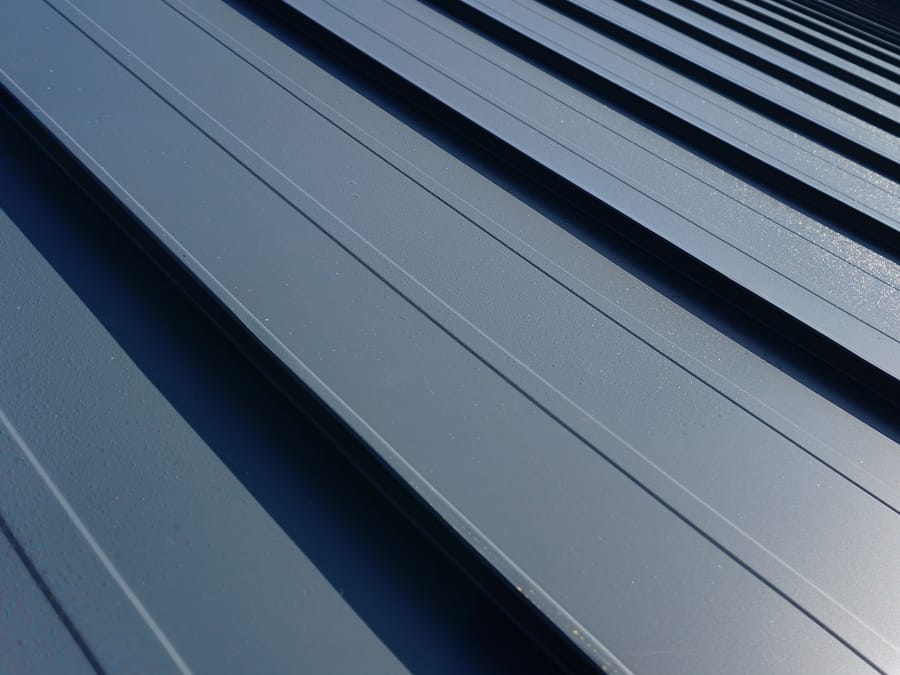
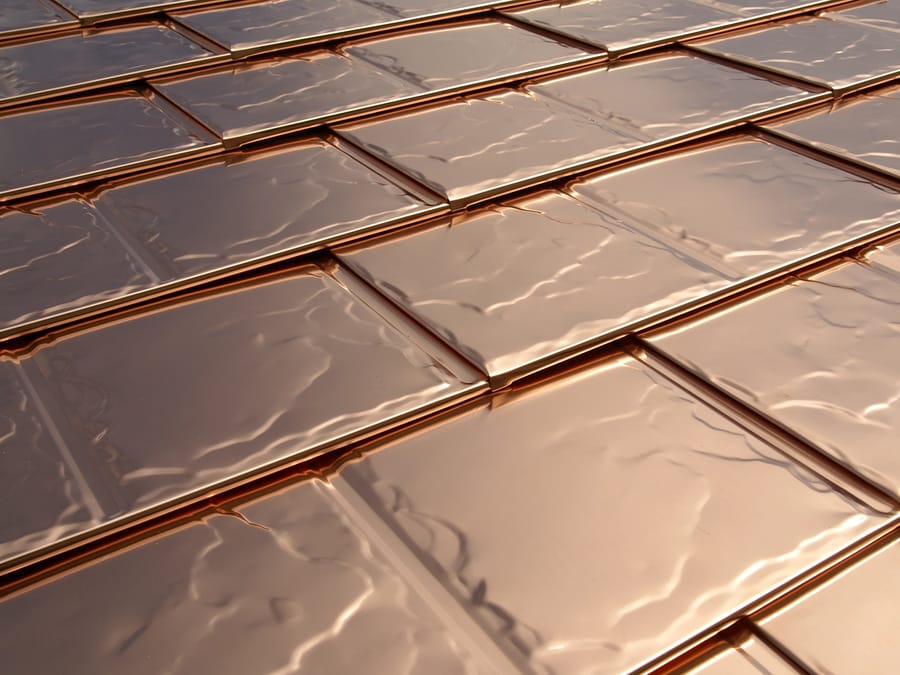
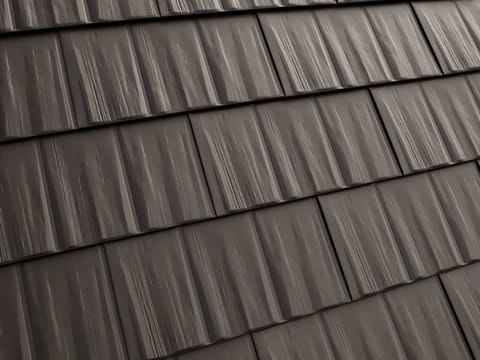
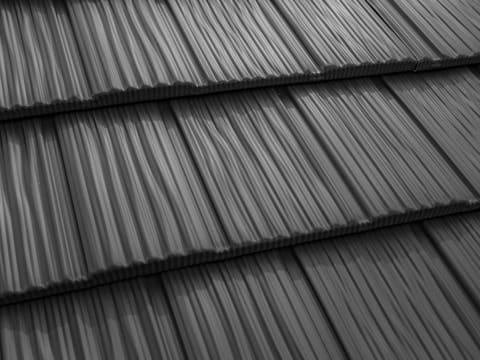
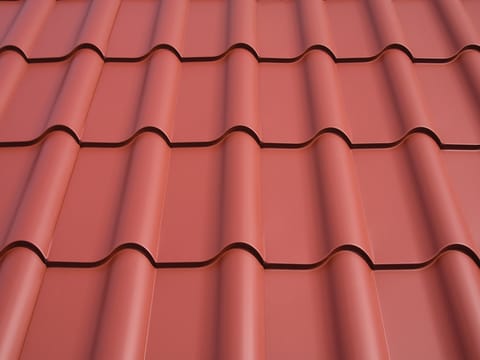
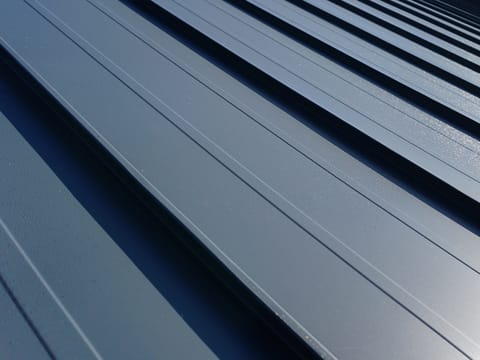
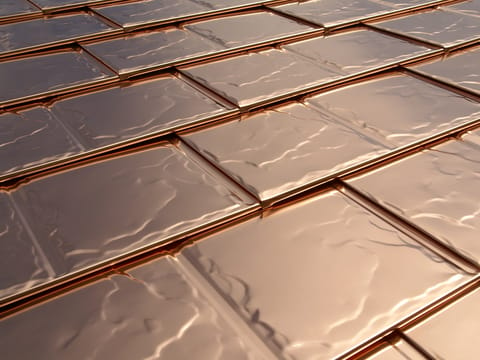
The styles of metal roofs available for installation through Interlock Metal Roofing include a diverse range of aesthetic options, such as classic slate, traditional cedar shake, and modern standing seam designs, all engineered for superior durability and performance.
How do metal roofs perform during heavy snow storms?
Metal roofs perform exceptionally well during heavy snow storms because their smooth, durable surfaces allow snow to shed easily, preventing dangerous ice dam buildup and structural strain while offering superior protection against harsh New England winter conditions.
Does a lifetime warranty apply to all metal roofs?
The lifetime warranty does not apply to all metal roofs, as coverage varies by manufacturer. However, at Interlock Metal Roofing, we provide a comprehensive lifetime warranty on our systems to ensure lasting durability and peace of mind.
Are standing seam metal roofs good for residential homes?
Standing seam metal roofs are an excellent choice for residential homes, offering superior durability, a sleek aesthetic, and long-term protection. These systems provide exceptional weather resistance and are backed by our comprehensive lifetime warranty for your peace of mind.
How does metal roofing enhance my homes curb appeal?
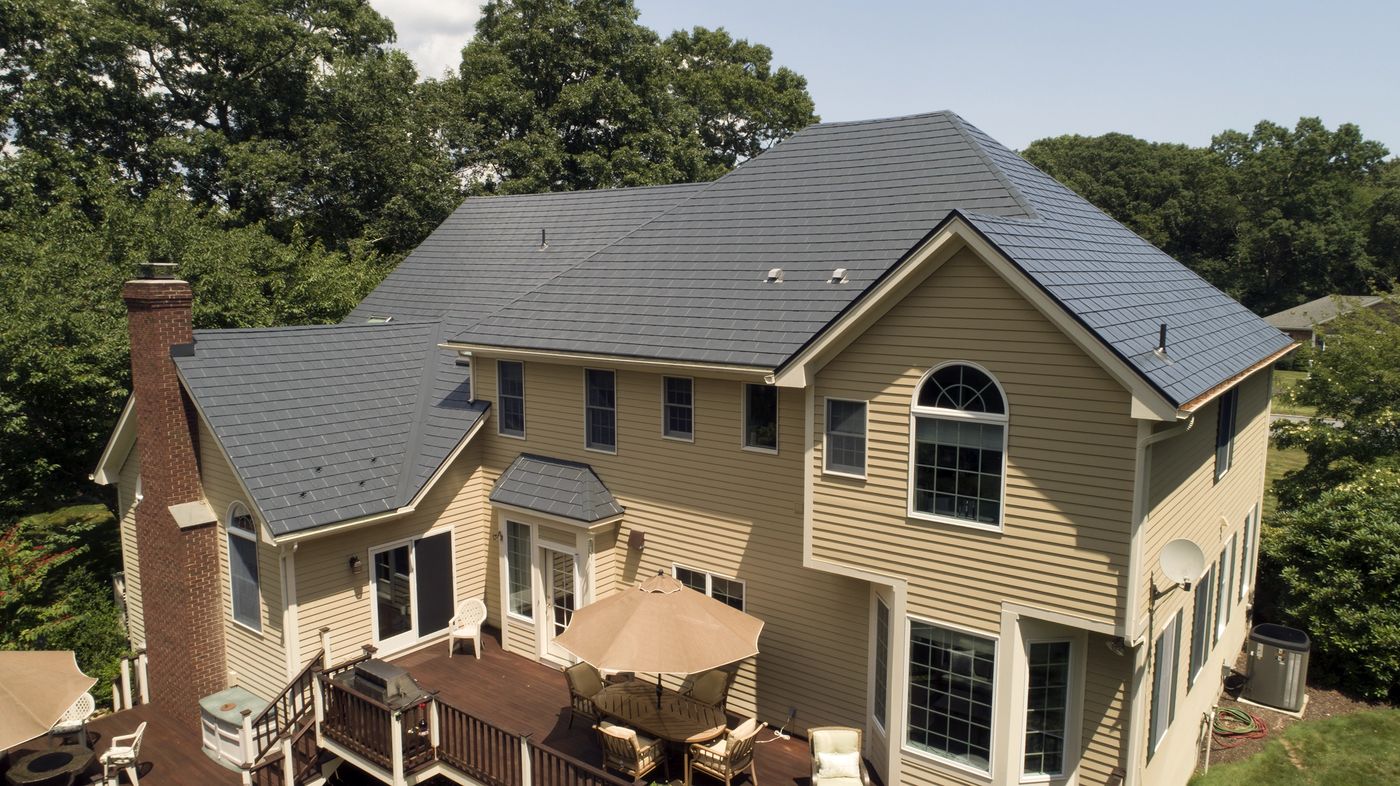
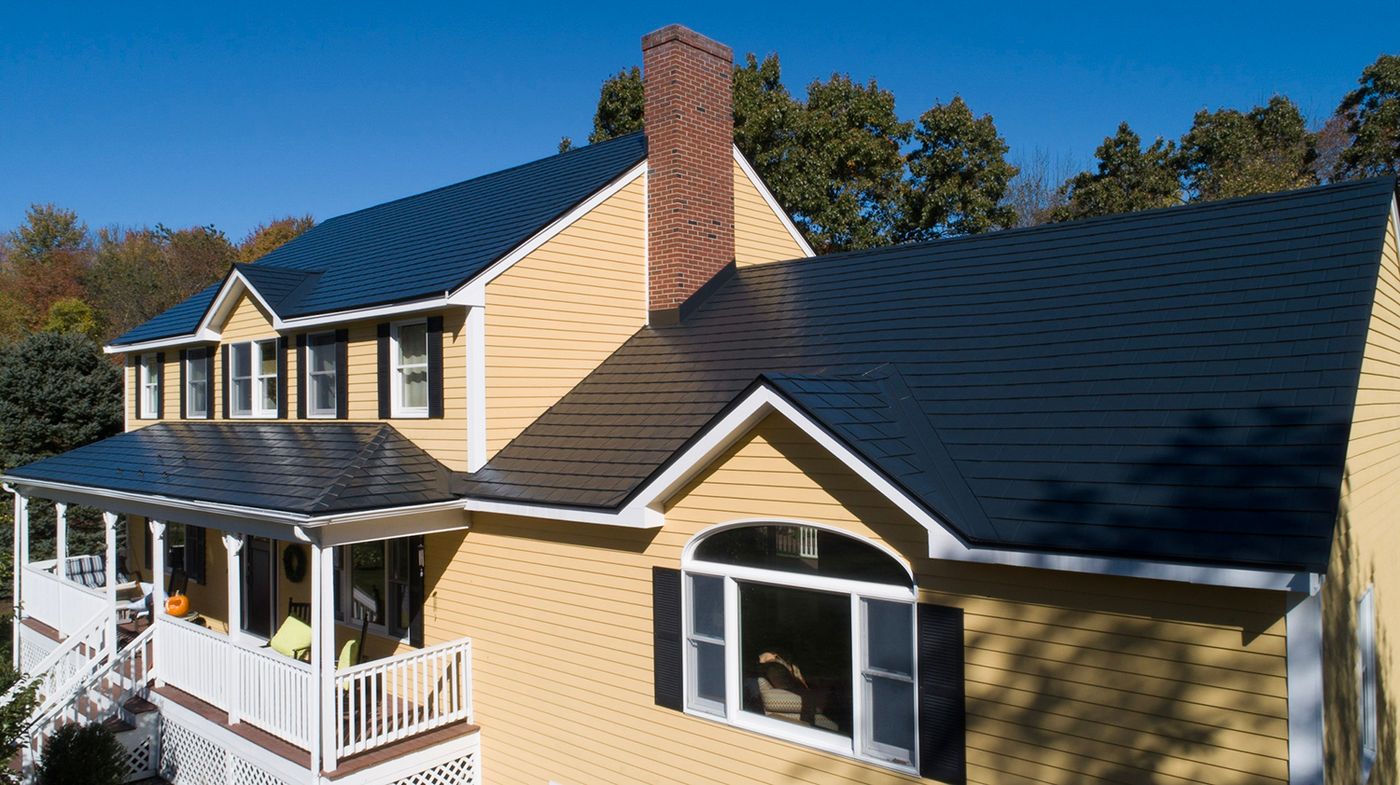
Metal roofing enhances your home’s curb appeal by offering sophisticated, high-end styles like slate, cedar, and standing seam. These durable, modern designs provide a clean, elegant aesthetic that significantly increases your property's overall visual value and charm.
Can metal roofs replicate the look of slate shingles?
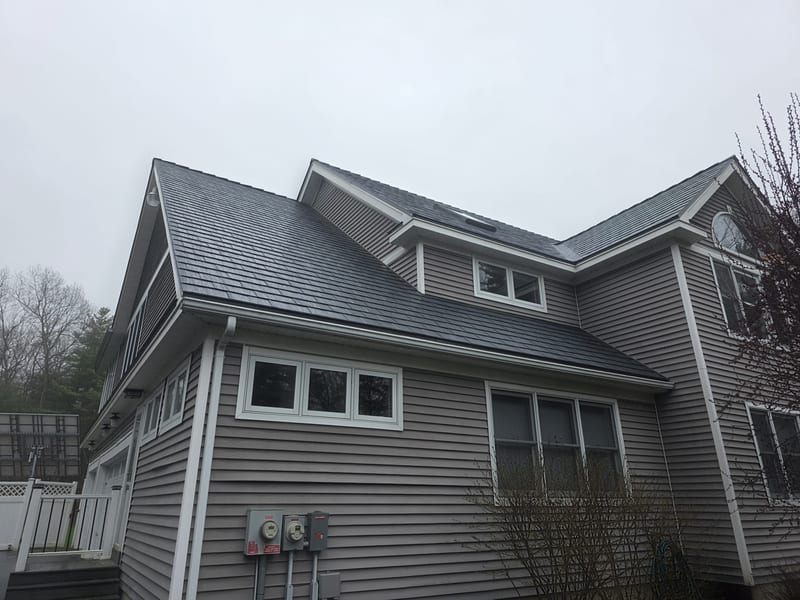
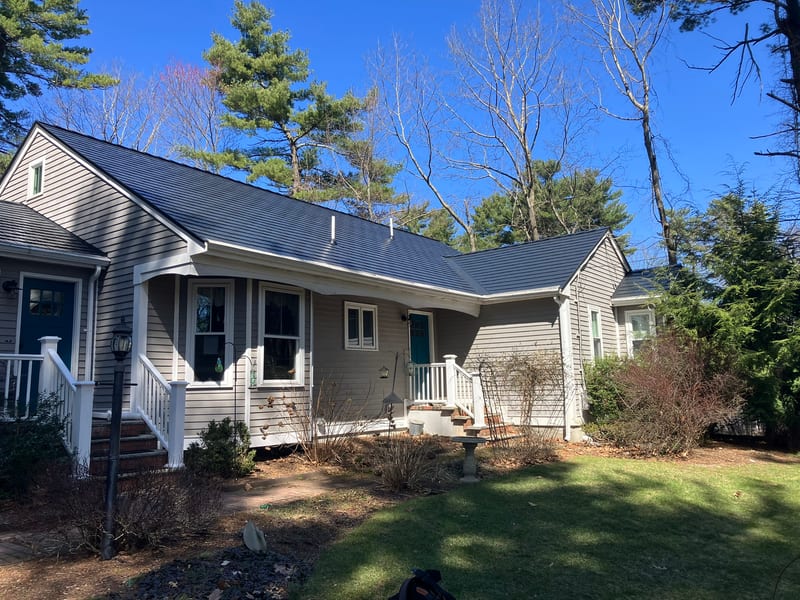
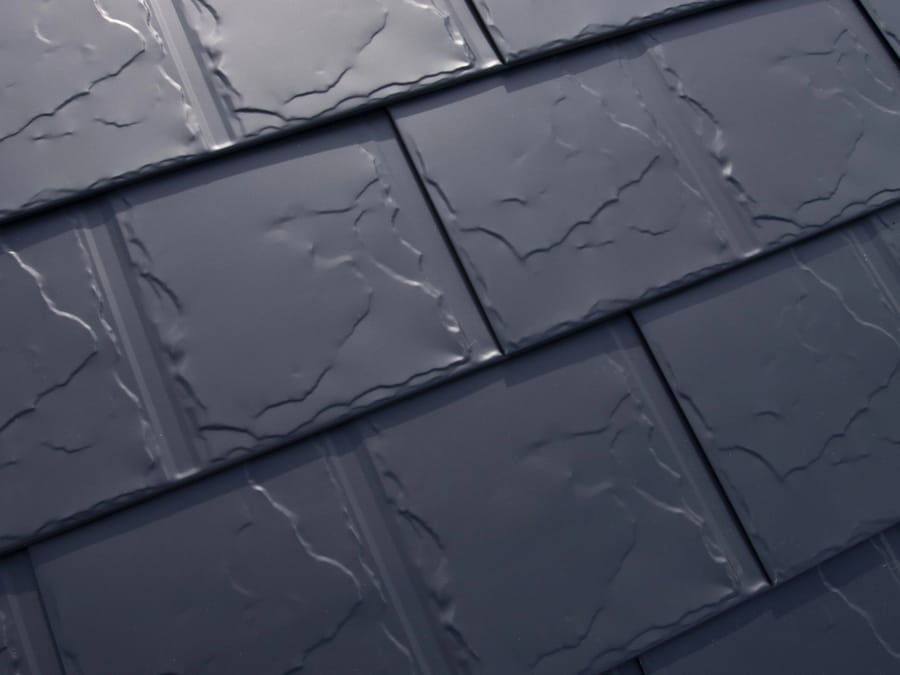
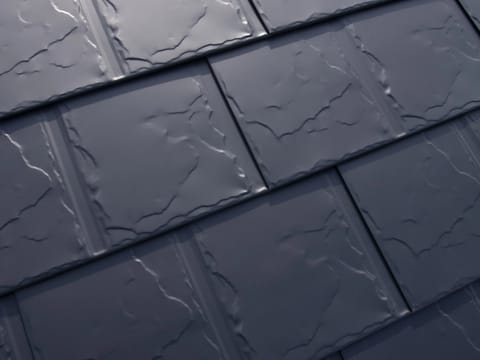
Metal roofs can perfectly replicate the classic elegance of slate shingles. Interlock Metal Roofing offers specialized aluminum slate profiles that provide the sophisticated aesthetic of traditional stone while delivering superior durability and a lifetime warranty for your home.
Does metal roofing require less maintenance than asphalt shingles?
Metal roofing requires significantly less maintenance than asphalt shingles because it is highly durable, resistant to harsh weather, and does not crack, curl, or lose granules, ensuring long-term performance and protection for your New England home.
How can I request a quote for metal roofing?
Requesting a quote for your metal roofing project is simple; you can obtain a free estimate by contacting New England Metal Roofing directly through our website’s contact form or by calling our office to schedule a consultation.
Are metal roofs fire resistant for added home safety?
The fire resistance of metal roofs provides significant home safety benefits. Interlock metal roofing systems are non-combustible and carry a Class A fire rating, offering superior protection against exterior fire spread and embers for your peace of mind.
Is metal roofing a cost effective long term investment?
Metal roofing is a highly cost-effective long-term investment because its exceptional durability, energy efficiency, and lifetime warranty eliminate the need for frequent replacements, ultimately saving homeowners significant maintenance and repair costs over the life of their home.
Do metal roofs provide better protection than cedar shakes?
Metal roofs provide superior protection compared to cedar shakes by offering unmatched durability, fire resistance, and weatherproofing. Unlike cedar, which is prone to rot and decay, our metal roofing systems ensure long-term security with a lifetime warranty.
Can I customize the color of my new metal roof?
The ability to customize the color of your new metal roof is a key benefit of Interlock Metal Roofing, offering a wide selection of durable, aesthetic finishes to perfectly complement your home’s unique style and exterior design.
How experienced is the team at New England Metal?
The team at New England Metal Roofing possesses extensive industry experience, specializing in high-quality metal roofing installations. We combine professional expertise with a commitment to durability and aesthetic excellence, ensuring every project meets our rigorous lifetime warranty standards.
Does metal roofing increase the resale value of homes?
The increase in a home's resale value due to metal roofing is significant. Metal roofs offer superior durability, energy efficiency, and aesthetic appeal, making them a highly attractive, long-term investment that potential buyers value when purchasing a property.
What makes Interlock metal roofing superior to other brands?
The superiority of Interlock metal roofing stems from its exceptional durability, diverse aesthetic styles like slate and cedar, and a comprehensive lifetime warranty, all designed to provide long-lasting protection and peace of mind for your home.
Are metal roof installations noisy during heavy rain showers?
The noise level of metal roof installations during heavy rain is often misunderstood; when properly installed over solid roof decking with high-quality underlayment, our Interlock metal roofing systems are no louder than traditional asphalt shingles during rainstorms.
Does the contractor provide financing for metal roof replacements?
Financing options for metal roof replacements are available through New England Metal Roofing. We offer flexible payment plans to help make your home improvement project more affordable; please contact us today to discuss the best solutions for you.
Are metal roofs lightweight enough for my existing structure?
Metal roofs are lightweight enough for most existing structures because they weigh significantly less than traditional asphalt shingles. Their low-density design allows for installation over many existing roofs, often eliminating the need for costly structural reinforcements.
How does metal roofing compare to traditional asphalt shingles?
The comparison between metal roofing and asphalt shingles highlights that metal offers superior durability, aesthetic versatility, and a lifetime warranty, whereas asphalt shingles typically require frequent repairs and replacements, making metal a more cost-effective, long-term investment.
Can I see examples of completed metal roofing projects?
Examples of our completed metal roofing projects are available for you to view. Please contact us directly to request a portfolio or schedule a consultation, where we can showcase our diverse range of high-quality roofing installations.
What is the process for scheduling a roof estimate?
The process for scheduling a free roof estimate with Interlock Metal Roofing is simple: contact us through our website or call our office to provide your details, and we will promptly arrange a consultation at your convenience.
How much does a metal roof cost in New England?
Installed pricing in 2025–2026 runs roughly $9.50–$16 per square foot for standing seam and $9–$15 for metal shingles across the region, with eastern Massachusetts and Fairfield County, CT, quoting 25–40% higher. A typical 1,800 sq ft Colonial lands between $25,000 and $50,000 depending on profile, metal, and roof complexity. Copper and zinc run $20–$45 per square foot. New England labor is 5–15% above the national average because the install season is short.
How does that compare to asphalt shingles?
Architectural asphalt installs for about $6–$10 per square foot in New England ($10,000–$17,000 on a 2,000 sq ft roof). Metal costs two to three times more up front, but an asphalt roof in this climate lasts 20–25 years, so most homeowners buy two or three of them over the life of one metal roof. Thirty-year ownership of asphalt including one re-roof runs $34,000–$54,000 in Massachusetts.
Is a metal roof worth it in New England?
If you plan to stay in the home more than 8–15 years, the math usually favors metal: that is the typical break-even point when you add up avoided re-roofs, insurance discounts, and lower summer cooling loads. If you are selling in the next few years, an asphalt roof recovers a higher percentage of its cost at resale, though metal still adds value and is a strong listing feature.
Does a metal roof increase home value?
Yes. Regional estimates put the lift at roughly 4–6% of home value, and the 2025 Remodeling Cost vs. Value report shows metal roofs recovering about 50% of cost nationally at resale (asphalt about 62–68%). The bigger financial win is not the resale bump, it is never paying for another roof.
Are there tax credits for metal roofs in 2026?
No. The federal 25C credit for Energy Star metal roofs ended after 2022, and the entire 25C program was terminated for property placed in service after December 31, 2025. Any website still advertising a metal roof tax credit is out of date. Mass Save does not rebate roofing either, and its 0% HEAT Loan excludes roofing. What Mass Save will cover is attic insulation (75–100%) and air sealing, which pair well with a re-roof.
Will my homeowner's insurance go down with a metal roof?
Often. New England carriers commonly offer 5–15% discounts for a Class 4 impact-rated (UL 2218) metal roof, with some regional mutuals and high-value carriers going to 20%. Ask your agent specifically about "Class 4 impact-resistant roof" credits and wind-mitigation credits if you are on the coast.
Can I finance a metal roof?
Yes. Common options are contractor financing (often 0% promotional for 12–18 months, then 8–30% depending on the lender), home equity loans (7–9%), HELOCs (8–10% variable), or unsecured personal loans (9–18%). Read the post-promo rate carefully; some "no interest for a year" offers reset to 29%+.
What is the cheapest metal roof option?
Exposed-fastener corrugated or ribbed steel panels ($7–$12 per square foot installed). They are common on barns and outbuildings but are the least durable choice for a New England home: hundreds of screws with rubber washers that age, expand and contract, and eventually leak, plus 25–40 year lifespan versus 50+ for concealed-fastener systems.
What metal is best for a New England roof: aluminum or steel?
Aluminum. Steel roofs rely on a zinc or Galvalume coating and fail at cut edges, scratches, and fastener holes once salt or moisture gets in; most steel warranties exclude installations within roughly 1,500 feet of salt water, which covers a large share of the coast from Connecticut to Maine. Aluminum does not rust, forms its own protective oxide layer, and carries no coastal exclusion. Interlock roofs are aluminum for exactly this reason.
How long does a metal roof last in New England?
Standing seam and metal shingle systems in aluminum or steel: 40–70 years. Exposed-fastener steel: 25–40. Copper and zinc: 70–100+. Asphalt in this climate: 20–25 years. A concealed-fastener aluminum roof installed correctly is realistically the last roof the house needs.
Will a metal roof rust near the ocean?
Steel can. Aluminum will not. If you live on Cape Cod, the Islands, the South Shore, the Rhode Island or Connecticut shoreline, or coastal Maine, specify aluminum panels with stainless or coated fasteners and check the warranty for a salt-spray exclusion before you sign.
What is the Alunar Coating System?
Interlock's factory finish: a five-layer 70% PVDF fluorocarbon coating over the aluminum, with infrared-reflective pigments. It carries a 30-year coating warranty against chalking and color fade measured to ASTM standards. PVDF is the same resin class used on commercial curtain walls and is far more fade- and chalk-resistant than the polyester paint on budget panels.
Do metal roofs fade?
Cheap polyester-coated panels do, noticeably within 10–15 years. PVDF-coated panels hold color for decades; the warranty typically limits color change to a measurable Delta E of 5 over 30 years. Lighter and earth-tone colors show the least change; bright reds and blues are the hardest for any coating to hold.
Can hail damage a metal roof?
Quality metal roofs are tested to UL 2218 Class 4, the highest impact rating: a 2-inch steel ball dropped from 20 feet, twice on the same spot, with no loss of watertightness. Large hail can leave cosmetic dents in any metal, but the roof keeps working. New England hail is infrequent compared to the Plains, so this matters more for the insurance discount than daily risk.
Are metal roofs fireproof?
Metal does not burn and will not ignite from embers or chimney sparks. Whether the assembly earns a Class A fire rating depends on what is under it: metal over a wood deck needs a fire-resistant underlayment to be rated Class A. Interlock offers Class A assemblies with the specified underlayment; confirm it is included in your proposal.
Is a metal roof heavy? Can my house support it?
Metal is one of the lightest roofing materials available. Aluminum shingle and standing seam systems weigh roughly 40–70 pounds per 100 sq ft, versus 250–400 for asphalt and 800–1,500 for slate or concrete tile. That is why metal can often go over an existing shingle layer without structural changes.
How does metal handle New England's freeze-thaw cycles?
Better than almost anything else. Rhode Island alone sees 40–50 freeze-thaw cycles a year; those cycles crack asphalt granules, split wood shakes, and spall tile. Metal does not absorb water, so there is nothing to freeze. The one design requirement is accommodating thermal movement, which concealed clip systems and interlocking panels are built to do.
What is "oil canning"?
The wavy, rippled look sometimes seen on flat areas of wide standing seam panels, caused by stress in the metal. It is cosmetic, not a defect that affects performance. Narrower panels, striations or ribs, heavier gauge, and proper installation minimize it. Metal shingle profiles (slate, shake, tile) essentially eliminate it because there are no large flat areas.
Do metal roofs prevent ice dams?
They reduce them but do not eliminate them. Ice dams are caused by heat escaping the attic, melting snow that refreezes at the cold eave; that is an insulation and ventilation problem, not a roofing-material problem. Metal helps because it sheds snow faster, has no granular surface for ice to grip, and interlocking panels resist water backing up under them. Pair the new roof with proper attic insulation, soffit-to-ridge venting, and ice-and-water membrane at the eaves.
Is ice and water shield required under a metal roof?
Yes, in every New England state. Code requires a self-adhered ice barrier from the eave edge to at least 24 inches inside the exterior wall line (36 inches in Vermont, Maine, and some northern NH towns), plus valleys. For metal, a high-temperature-rated membrane is the right choice because metal surfaces run hotter than asphalt in summer.
Will snow slide off my metal roof all at once?
It can, and a roof-load of snow coming off over a doorway, deck, walkway, or parked car is a real hazard. Snow guards (retention devices) hold snow so it melts off gradually. Plan for them over entries, walkways, driveways, lower roofs, gas meters, and HVAC units. Budget roughly $1–$3 per square foot of guarded area or $500–$2,000+ per home.
Do I need snow guards on every metal roof?
Not on every slope, but on most New England homes you will want them somewhere. Steep, unobstructed rear slopes that shed into a yard may not need them. Any eave above something you walk under or park under should have them. Use clamp-on guards on standing seam so nothing penetrates the panel; on metal shingles, guards are integrated into the panel system.
Can a metal roof handle heavy snow loads?
Yes. Roof structure, not the covering, carries the snow load, and metal adds almost no weight of its own. Massachusetts design snow loads range from 25–30 psf on the Cape to 50–70 psf in Worcester County and the Berkshires; a properly framed roof handles that regardless of covering. Metal's advantage is that snow sheds instead of sitting, which reduces sustained load and ice buildup.
Can a metal roof be installed in winter?
Yes, with limits. Unlike asphalt shingles, metal panels do not need warm weather to seal, so installs continue through December and into late winter on clear days. Snow, ice on the deck, and short daylight slow crews down, and self-adhered underlayments have minimum application temperatures. Many contractors offer modest late-fall discounts to fill the calendar.
What is the best time of year to install a metal roof in New England?
Spring and fall are ideal: moderate temperatures are best for both crews and thermal movement of the panels, and the schedule is less crowded than midsummer. Book 6–10 weeks ahead in peak season. Material lead times are typically 1–2 weeks for standard colors.
Can a metal roof withstand a Nor'easter or hurricane?
Properly installed concealed-fastener metal roofs are among the best-performing roofs in high wind. Interlock panels interlock on all four sides and are warranted to 120 mph when installed per manufacturer specifications, with ASTM D3161 Class F wind testing and Florida Product Approval (Florida has the strictest wind code in the country). For context, design wind speeds in New England top out around 140 mph on outer Cape Cod, 130 mph on exposed Rhode Island coast, and 110–115 mph in Boston.
What makes a metal roof wind-resistant?
Three things: concealed fastening (no exposed screw heads to back out), interlocking edges so panels lock to each other rather than relying on adhesive or nail heads, and a continuous fastening flange or clip system into the deck. Asphalt shingles depend on a heat-activated adhesive strip and six nails; once the seal breaks, they lift and tear.
Do coastal homes need special roofing details?
Yes. On the immediate coast, use aluminum panels, stainless steel or hot-dip galvanized fasteners, a full self-adhered underlayment (not just at the eaves), and enhanced edge-metal and fascia details, since wind uplift starts at the edges. Homes in Exposure D zones (direct ocean or Narragansett Bay frontage) may need engineering for the specific wind load.
Does a metal roof attract lightning?
No. The Metal Construction Association's technical bulletin is clear: lightning strike probability depends on height, topography, and storm frequency, not roofing material. If a metal roof is struck, it actually performs better than wood or asphalt because it conducts the energy without igniting.
Can a metal roof be installed over my existing shingles?
Usually, if there is only one layer and the deck is sound. Massachusetts (780 CMR, based on the 2021 IRC) and the other New England states allow one existing layer to stay under a new roof; two or more layers require a tear-off. The existing roof must not be water-damaged or deteriorated, and local building departments have the final say. Interlock systems are approved for installation over a single layer of asphalt, subject to local code, which keeps tons of shingles out of landfills.
Should I tear off or go over?
Go over when: one layer, flat deck, no rot, and the inspector allows it. You save $1–$2 per square foot and a day of work. Tear off when: two layers already, sagging or soft spots, active leaks, or you want the deck inspected and ice-and-water membrane applied directly to wood. Many contractors also recommend tear-off on older homes simply to fix hidden rot before it is sealed under a 50-year roof.
Do I need a building permit for a metal roof?
Yes, in every New England state for a full re-roof. Fees run about $50–$500 depending on the town. Your contractor pulls the permit; if a contractor suggests skipping it, that is a red flag. Minor repairs under 100 sq ft are exempt in some municipalities.
How long does installation take?
Two to five days for a typical single-family home, up to one to two weeks for large, steep, or heavily cut-up roofs (dormers, valleys, multiple chimneys). A rough sequence is tear-off or prep, underlayment and flashing, panel or shingle installation, then ridge, trim, and snow guards.
What underlayment goes under a metal roof?
High-temperature synthetic underlayment over the field of the roof and self-adhered ice-and-water membrane at eaves, valleys, and penetrations at minimum. On coastal or high-wind homes, a full self-adhered membrane or taped seams (the IBHS FORTIFIED standard) is worth the upgrade because it keeps the house dry even if a panel is ever compromised.
Can I put a metal roof on a low-slope roof?
Interlock Metal Roofing minimum pitch of 3:12 is required. Metal shingle profiles need steeper pitch, generally 3:12 or greater. Flat sections on New England homes (porch roofs, additions) are usually better served by a PVC or TPO membrane tied into the metal above.
How do I choose a metal roofing contractor in New England?
Look for a company that installs metal every day, not an asphalt roofer who "also does metal." Ask for the manufacturer certification, proof of license and insurance, a workmanship warranty separate from the material warranty, local references you can drive past, and a written scope covering underlayment, flashing, ventilation, and snow retention. Get the wind and fire ratings in writing.
Are metal roofs noisy when it rains?
Not on a house. The tin-roof-on-a-barn sound comes from bare metal over open rafters. On a home, panels sit over a solid deck, underlayment, attic insulation, and drywall; measured indoor sound is around 50–52 dB, about the same as asphalt and quieter than a normal conversation. Some homeowners with metal shingle profiles report they cannot tell the difference at all.
Will a metal roof make my house hotter or colder?
Cooler in summer, neutral in winter. Reflective PVDF coatings (Interlock's are CRRC-rated with 0.84 emissivity) can cut attic temperatures and summer cooling costs by up to 25%. In a heating-dominated climate, the winter "penalty" from a reflective roof is small because the sun is low, days are short, and the roof is often snow-covered; your attic insulation matters far more than roof color for heating bills.
Can I walk on a metal roof?
Yes, carefully. Walk on the flat of the panel near supports, never on seams, and wear soft-soled shoes. Standing seam is slippery when wet or frosty. Metal shingle profiles are generally easier to walk on than standing seam. Leave chimney sweeps, satellite installers, and gutter cleaners a note that it is a metal roof so they use the right footwear and do not screw anything into it.
Can I put solar panels on a metal roof?
It is the best roof for solar. On standing seam, clamp-on mounts (S-5! and similar) attach to the seams with zero roof penetrations. Metal shingle systems use manufacturer-approved bracket systems. The bigger point: a solar array lasts 25–30 years, so putting it on a 20-year asphalt roof means paying to remove and reinstall the panels mid-life. Metal outlasts the array.